a dark and dramatic Cornwall
wild winds, sacred wells, winter walks and quiet refuge at Prussia Cove

We jumped at the chance of a last-minute stay at one of our favourite places, Prussia Cove a few weeks ago. We’ve been a few times now and love it more each visit. It’s one of those rare spots where you relax almost immediately as you put your bags down, switch the kettle on, and gaze at the sea through the window.
In previous February stays we’ve been ridiculously lucky with the weather, blue skies, crisp air, barely a breeze. This time was a different story entirely. We arrived to full-blown wild, windy and wet weather. Proper Cornish drama. Which, in hindsight, may well explain the sudden availability, perhaps the previous guests had actually checked the forecast?
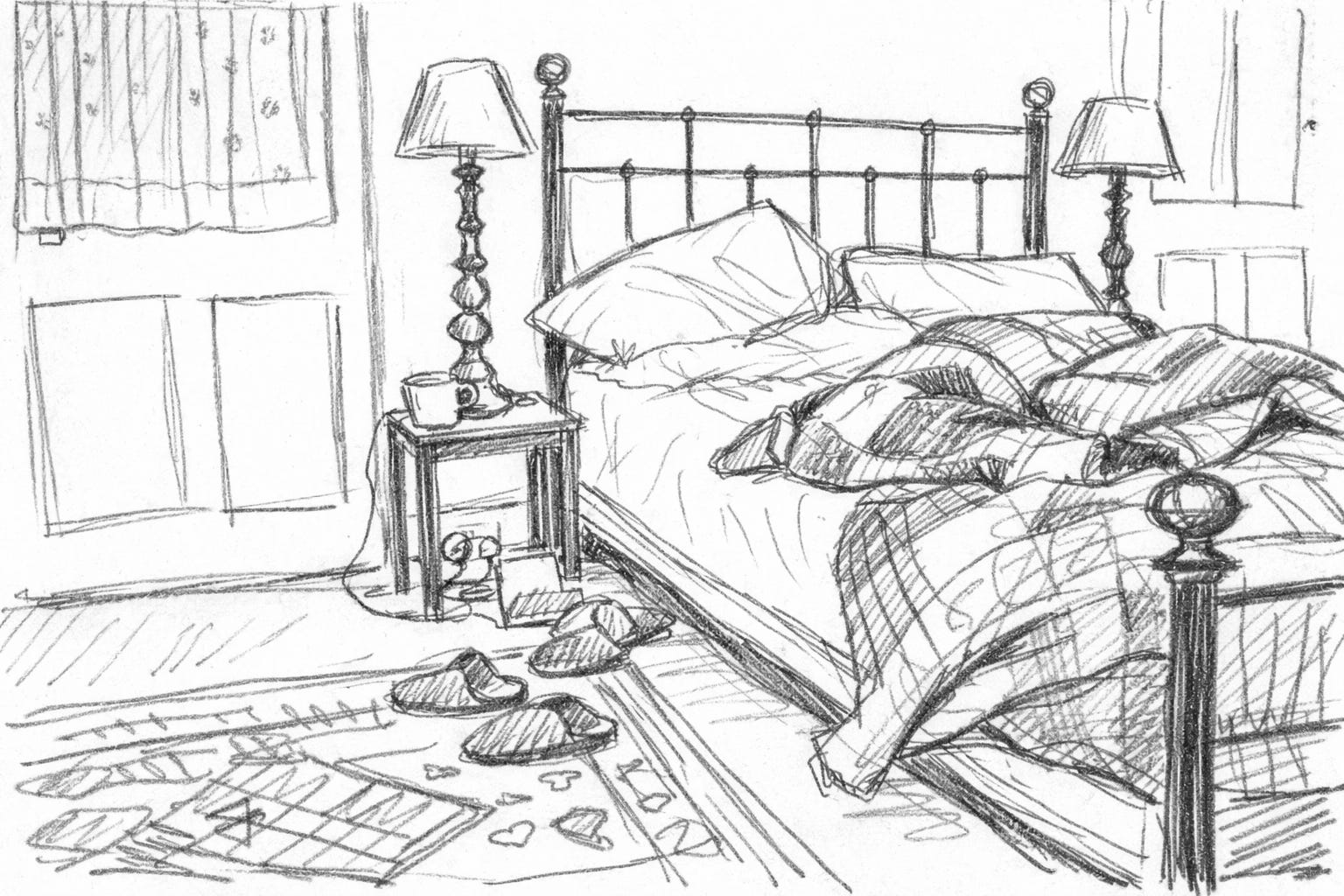
Prussia Cove is wonderfully low-key. A small cluster of old granite buildings sitting quietly in the landscape, as though they’ve grown out of the rock itself. Inside, the cottages are beautifully pared back. Pale painted walls in a heritage palette, varnished floorboards with rugs, sturdy wooden tables, mismatched chairs, simple iron bedsteads layered with thick blankets. Open shelves rather than fitted kitchens. Hooks for coats. Books that look as though they’ve been left behind over decades. Wood burners that demand proper stacking of logs and reward you with deep, steady warmth. It’s not styled or curated, it’s honest and beautiful, like going back in time to a more simple living. Functional. Calm. The sort of simplicity that makes you exhale. You cook properly there. You wash up by hand. You notice the light changing through small-paned windows.
And then there is the history. Prussia Cove was once notorious for smuggling in the 18th century, most famously under John Carter, known locally as the “King of Prussia” hence the name. The hidden coves, narrow inlets and low granite storehouses suddenly make sense when you know what passed through them: tea, brandy, tobacco, all slipped ashore under cover of darkness. Even now, walking the coastal paths at dusk, you can almost imagine lantern light flickering against the rock, boats pulled silently onto shingle beaches. The place retains that slightly secret feeling, tucked away, self-contained, known mostly to only those who mean to find it.
Cornwall suits the rain. The grey granite towns and rugged landscape somehow as beautiful in the dramatic rain as it is in bright sunshine. We walked across a favourite beach, blown in one direction and then stinging sideways rain as we turned to walk back. One minute it was dry, the next a dark black clouds appearing ominously in the sky above and that was the pattern for the whole week.
We were prepared with hats, gloves and raincoats, and many towels for the dog, who really couldn’t care less about the weather. Our mornings were lazy, we did puzzles, read books, sketched, drank tea and ate lots of biscuits. Stan, now perfecting the art of being a teenager, hot spotting on my phone so he could remain connected to the outside world, Pete and I more than happy to be cut off from it.
An opportune break in the weather meant we could walk to my favourite cafe in the world, the Kynance Cove Cafe, to sit in the window seats and watch the waves crash against the rocks. I tend to avoid Kynance in the height of summer, being a National Trust beach, the world and its mother knows about it, but in February, when the wind is up and no-one else wants to venture outside, it feels like you’ve stumbled onto a place that no-one else knows about and you can nab the table with the best view.
We had wild hair and salt on our skin but kept warm by copious amounts of tea and hot chocolate.


A few weeks before we visited Cornwall, the county had been hit hard by Storm Goretti, and when we visited we were shocked to see quite how many huge cedar and pine trees that give this part of the country the ‘rivera’ look, now fallen down completely uprooted. Even St. Michael’s Mount now has a different shape having lost most of its trees. It was sad to see these fallen giants everywhere, and those standing with broken branches.
I discovered by chance, a local man, Charlie Thacker from Falmouth, has launched a Crowdfunded campaign to document and tell the stories of these lost trees, by making wood prints that are truly beautiful. I’ve signed up to support this project and receive a print, they start from just £20.
One particularly dismal day, we found sanctuary in The Ship Inn, Porthleven, many other people having the same idea. The bar was full of damp dogs, macs drying on anything they could be hung on and families making the most of a very washed out half term. On the drive home, we noticed a sign for ‘Breage Social Club, Pool, Darts, Non-Members Welcome.’ On walking through the doors we found the loveliest most welcoming community, a pool table perfect for bored teenagers on rainy days, we would highly recommend visiting if you’re in the area.
We also made a few visits to Penzance, the nearest town. I unashamedly love Penzance, the secret tropical parks with palm trees in their gardens, the views across the bay to St Michaels Mount, the independant shops and the rows of Georgian and Regency terraces. There is a cinematic beauty to the town, the architecture, the murmuration of starlings over the fishing boats. We bought locally grown daffodils from the florist on the Causewayhead and pasties, coffee and pastries from Loafs Bakery, as well as taking refuge from the rain drinking hot chocolate in 45 Queen Street.
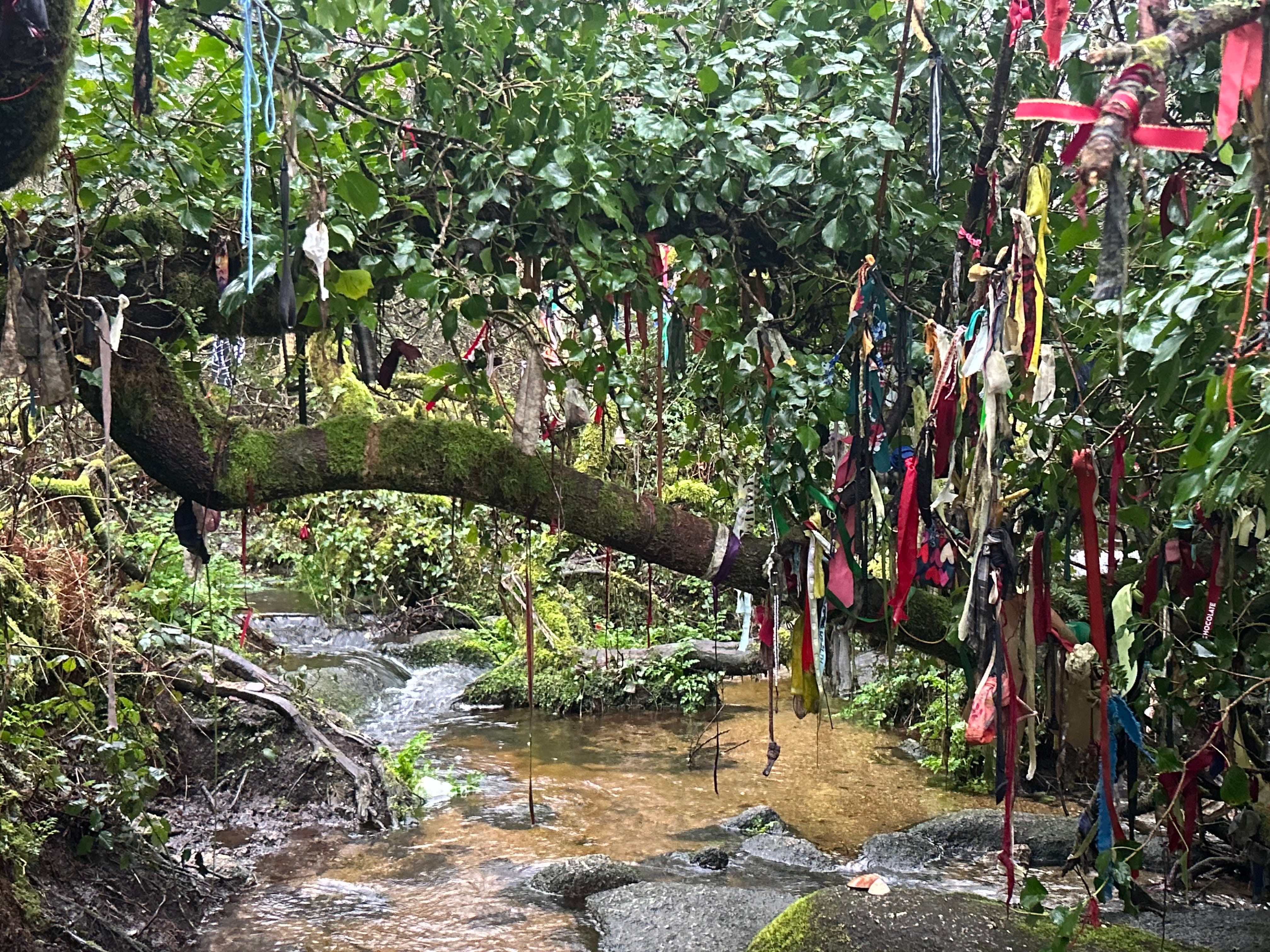
On a quieter afternoon we visited St Madron’s Sacred Well. You follow a muddy, tree-tangled path that feels as though it is gently pulling you backwards through time. The rain had eased to a mist and everything smelt of earth and moss. The Well itself is half hidden beneath ferns, rocks and tangled roots. There were ribbons and clouties tied to branches, small tokens left in crevices, evidence of other visitors who had come seeking something, healing, luck, or simply a moment of pause. We stood for a while without speaking, listening to the quiet trickle of water and the distant rustle of wind through bare branches. It felt ancient and slightly otherworldly, the sort of place that asks nothing of you except stillness. In a week of wild skies and crashing seas, it was a different kind of Cornish drama, hushed, elemental and deeply grounding.